Panic attacks can be felt by anyone and anywhere in all of a sudden.Though generally harmless, but the attacks are often thought of as a heart attack is, for some people, it can feel threatening.
Panic attacks are intense anxiety characterized by physical symptomsthat generally occur suddenly and without any apparent reason. Most people who experience panic attacks may feel like fainting or as if his life will end. When in fact this symptom generally not dangerous.
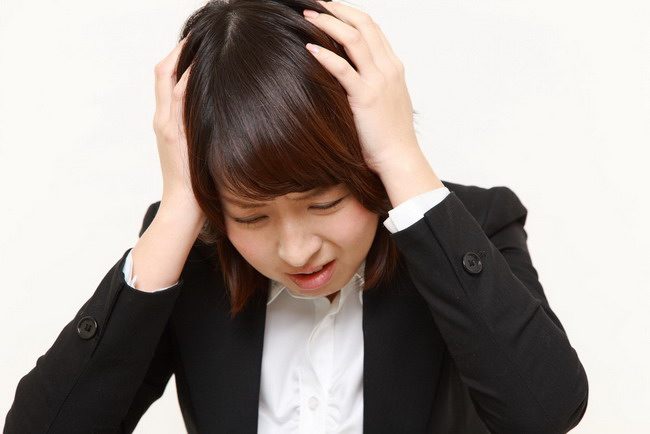
The panic that usually happens for 5-20 minutes is often misinterpreted as a heart attack. In General, a person experiencing a panic attackdoes not need to be hospitalized, although some other people could be in need of care.
A panic attack or heart attack
Heart attack and panic have similar symptoms as arising suddenly and rapid heart rhythms. So how do we tell the difference? One of the things that underlie the differences the two conditions above are a heart attack usually have symptoms in the form of irregular heart rate that occurs and stops suddenly. While panic attacks, heart rate slowly-it will be back to normal.
Other differences are heart attacks may be accompanied by symptoms that changed drastically. For example, two or three heart rate very quickly, followed 3 heart rate slows down, then quickly again. While in panic attacks, heart rate is reasonably fast but orderly.
Let us know your panic attacks in more Detail
The symptoms of panic attacks can be triggered when the body was in a State of alert and tense. At present, the body of the release of the hormone adrenaline which causes the muscles stiffen and the heart beat more toned. Breathing becomes faster but it is short so it happens to hyperventilate. Normal respiration occurs when the levels of oxygen and carbon dioxide in the body balanced. When it happens, thenhyperventilate this balance is disturbed and the levels of carbon dioxide in the body becomes very low.
It is no wonder if someone who experienced panic attacks can experience physical signs, like body shaking, sweating more, irregular heartbeat, ringing ears, head dizzy, feel like choking, shortness of breath, tingling fingers or toes, chest pain, and it felt as if feeling losing control of myself.
Conditions that often occur in adulthood these young women occurred at higher risk than men. In most cases, this condition can be passed down in the family (descendants). In some people, the more risky a panic attack occurs when experiencing life changes that are fundamental, such as having the first child or start your first day at work. The condition of fear (phobia), obsessive compulsive disorders, syndromesand the use of marijuana can also be the cause of panic attacks.
Panic attacks can be controlled at once Prevented
People with panic attacks unfortunately more at risk to experience depression, substance abuse, addiction to booze, and attempted suicide. The good news, according to a Professor of clinical psychology, panic attacks is still controllable. The situation generally caused by thisanxiety should not redirected, but rather must be faced. Positive results can be more easily and quickly achieved if there is someone whoalways accompany the sufferer.
Here are a few steps that can be taken to control and prevent panic attacks.
Cultivate the breathing. Inhale slowly and in through your nose, hold it for at least five seconds. Exhale slowly through your mouth. Do with your eyes closed so that the mind can be focused to the respiratory process. This breathing exercises should not only be done in the event of a panic attack, but do every day to help prevent and relieve the attack if attacked again.
Stabilize blood sugar levels by eating regularly. We recommend that you stop also the habit of smoking, cut down on booze, caffeinateddrinks and limit which can exacerbate attacks.
Aerobic exercise regularly can help relieve tension, relieve stress, improve your confidence, and improve everyday mood.
One more thing that is no less important, try observing the triggers of stress that may lead to panic attacks. In spite of the fact that this condition is not considered a medical emergency, but if proved worrying, it's good to self checked to make sure that these symptoms are not signs of a more serious disease.
Check with your doctor if you experience panic attacks with symptoms as follows.
Breathing is back to normal, but you still feel unwell.
Panic attacks are still continuing after breathing slowly for 20 minutes.
Feel the experience panic disorder often experience panic attacks.
Chest pain and/or heart rate is still irregular though panic attacks have ended.
Someone who needs medical help can be assisted with the handlingprocedures of cognitive behavioural therapy (CBT) to change thought patterns that trigger panic attacks. The doctor may also prescribe an antidepressant or medicine will cure heart disease drug known as a beta barrier to help prevent panic disorder.
Comments
Post a Comment